A musical ear is the ability to perceive and understand sounds in a precise and analytical way. It is made up of several distinct skills:
Knowing whether a note is consonant or dissonant, in tune or out of tune. Recognizing intervals between notes.
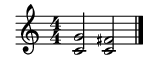

Distinguishing different musical instruments by their sound. Identifying the nuances of a single sound (vibrato, attack, etc.).
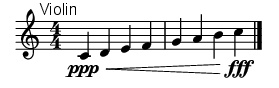

Perceiving the rhythm of a piece of music. Understanding different note values and rests.


Identifying the key of a musical piece. Recognizing chords and chord progressions.
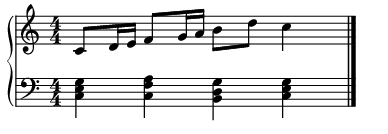

Relative music notation moves away from traditional notation (do, re, mi or A, B, C) and focuses on the function of notes within a scale.
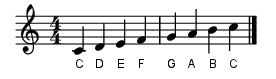
Traditional notation
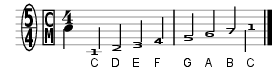
Relative notation
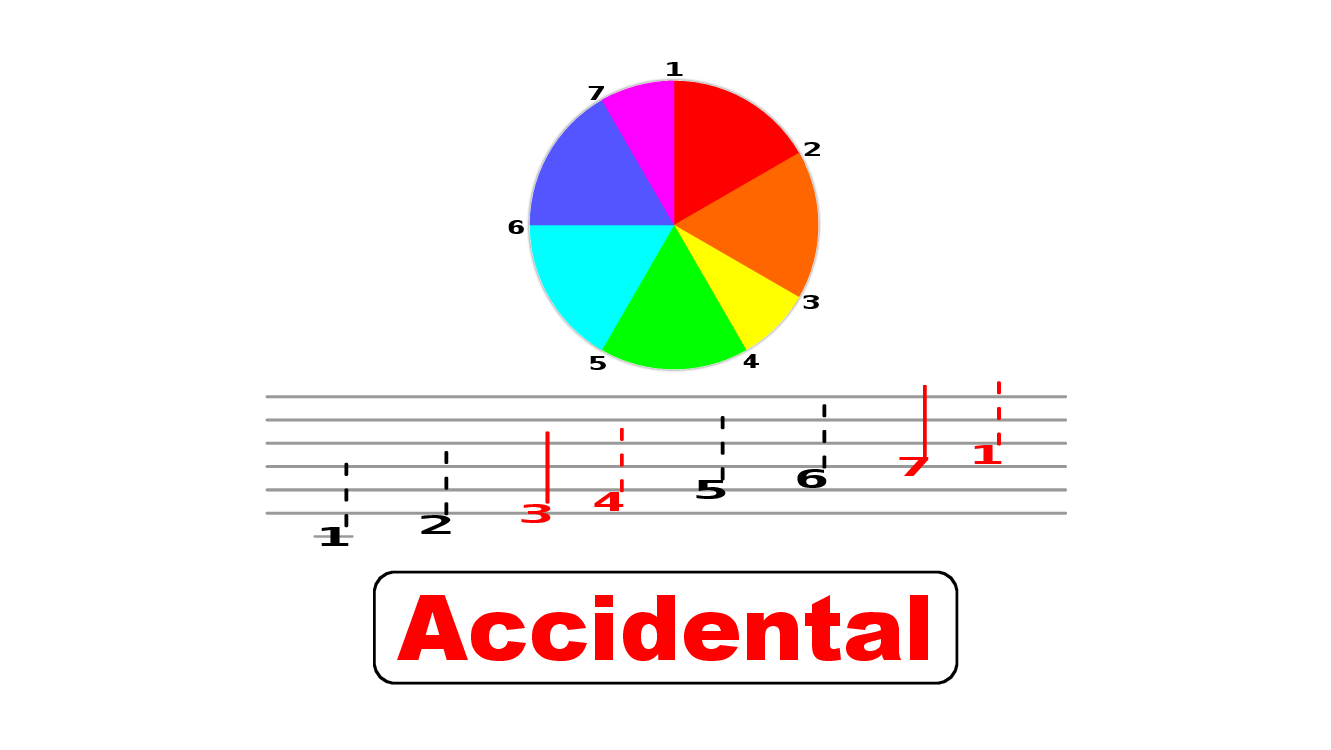
Each note in a scale is assigned a number from 1 to 7, based on its position:
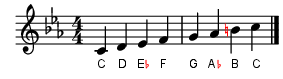

Transpose easily into any key. The intervals remain the same — only the starting point changes.


Simplify chord construction. For example, a major chord is always 1-3-5, regardless of key.
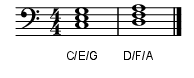

Explore different melodies and harmonies that work in a given key by knowing the scale degrees.
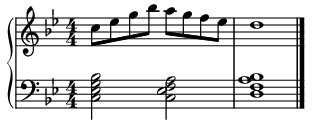
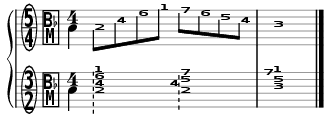
Since note names are the same across all keys, the ear memorizes intervals much more easily.


Musicians playing transposing instruments can easily communicate with other instrumentalists.


A "dominant-tonic" cadence is always written 5-1, instead of 20 different notations in absolute terms.


Numbers are universal and known from an early age in most countries around the world.


Introduction to the method

Short version season 1
Going deeper
Short version season 2
Advanced techniques

Short version season 3
Full mastery

Short version season 4

Interval exercises

Beginner exercises

Intermediate level

Advanced level

Melodic interval exercises

Harmonic interval exercises

All our videos

Follow us on TikTok
For any question or information, contact us via our YouTube channel or TikTok account.
